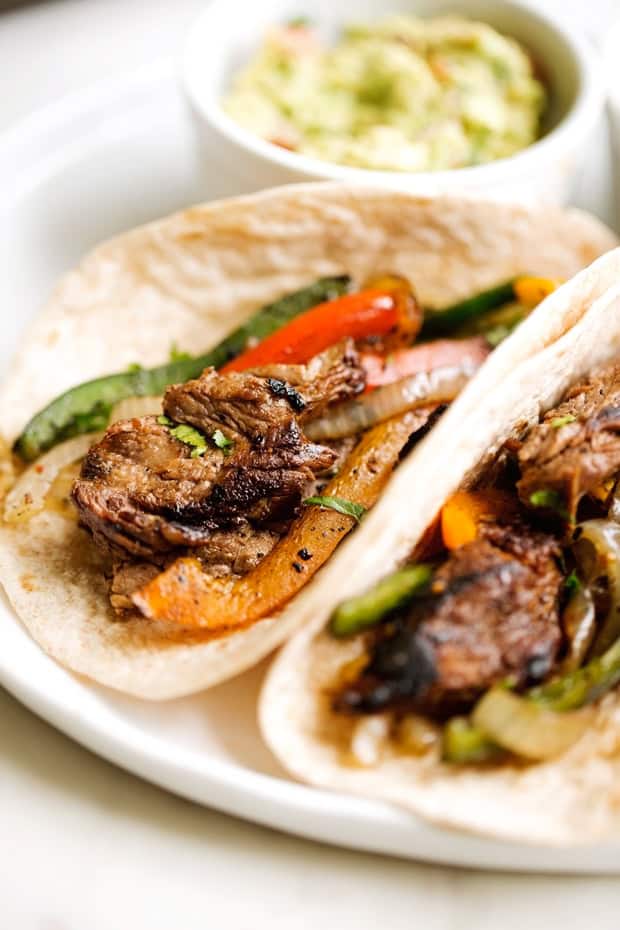
The Ultimate Guide to Choosing the Best Steak for Sizzling Fajitas
There’s an undeniable magic to a sizzling platter of fajitas. The aroma of charred meat, vibrant peppers, and fragrant spices wafting through the air instantly transports you to a festive Tex-Mex cantina. While the colorful medley of onions and peppers, zesty marinade, and warm tortillas are crucial components, the star of any truly exceptional fajita experience is, without a doubt, the steak. But with several excellent contenders for your
steak fajitas recipe, how do you choose the best cut? Let's dive into the delicious debate of sirloin, flank, and skirt steak.
The Sizzle and Story Behind Steak Fajitas
Fajitas, originally a humble rancher's dish from the Texas-Mexico border, have evolved into one of the most beloved Tex-Mex staples. The term "fajita" itself comes from "faja," Spanish for "belt" or "girdle," referring to the cut of beef traditionally used – the diaphragm (skirt steak). What began as a way to utilize less desirable cuts of beef evolved into a culinary sensation, prized for its robust flavor and satisfying chew.
Recreating that restaurant-quality experience at home is not only achievable but often healthier and more rewarding. You gain complete control over the ingredients, from the quality of the beef to the potency of the marinade. While they may seem elaborate, many
steak fajitas recipes can be incredibly simple to prepare, with some even coming together in a single skillet, making them perfect for weeknight meals. For an incredibly convenient option, check out our guide to
Super Easy One-Skillet Steak Fajitas: Ready in 30 Minutes.
The secret to truly outstanding fajitas lies in the balance: perfectly marinated and cooked steak, caramelized bell peppers and onions, and the warmth of a fresh tortilla. Understanding the characteristics of each steak cut is your first step towards achieving fajita perfection.
Unpacking the Best Cuts: Sirloin, Flank, and Skirt
When it comes to selecting the ideal beef for your
steak fajitas recipe, three cuts consistently rise to the top: top sirloin, flank, and skirt steak. Each offers unique qualities that contribute to the final flavor and texture, and knowing these distinctions will help you pick the perfect one for your palate.
Top Sirloin Steak: The Lean & Flavorful Choice
Top sirloin is a versatile, lean cut of meat known for its robust beefy flavor and relatively tender texture. It's often thicker than flank or skirt steak, making it a favorite for many home cooks.
*
Characteristics: Top sirloin is relatively lean, with minimal marbling and connective tissue, meaning less trimming is required. It boasts a rich, beefy taste that stands up well to bold marinades.
*
Why it's great for fajitas: Its natural tenderness (when not overcooked) and deep flavor make it an excellent candidate. It absorbs marinades beautifully, enhancing its inherent taste without becoming mushy. Because it’s widely available and typically more affordable than some other premium cuts, it’s a practical choice.
*
Expert Tip: Due to its leanness, top sirloin benefits significantly from a good marinade, even if it's just for 30 minutes. Be careful not to overcook it, as it can dry out quickly. Aim for medium-rare to medium for optimal tenderness. Slicing it thinly against the grain is paramount for a melt-in-your-mouth experience.
Flank Steak: The Marinade Magnet
Flank steak is a long, flat cut from the abdominal muscles of the cow. It's known for its prominent, coarse grain and incredible ability to soak up flavor from marinades.
*
Characteristics: Flank steak is very lean with strong muscle fibers that run in one direction, creating a distinct grain. It has a slightly chewy texture if not prepared correctly but is packed with rich beefy flavor.
*
Why it's great for fajitas: This cut is a marinade superpower. Its looser muscle fibers allow it to absorb marinades exceptionally well, infusing every bite with flavor and helping to tenderize the meat. It also cooks quickly at high heat, developing a delicious char.
*
Expert Tip: The golden rule with flank steak is to *always* slice it thinly against the grain. Failing to do so will result in tough, stringy meat. Identify the long muscle fibers and cut perpendicularly across them to shorten them, making each piece wonderfully tender. Marinating for at least 2-4 hours is highly recommended.
Skirt Steak: The Traditional & Flavorful Powerhouse
Skirt steak is perhaps the most traditional choice for fajitas and carne asada, revered for its intense beefy flavor and chewy texture. There are two types: inside skirt and outside skirt. Outside skirt steak is generally preferred for its more uniform shape and slightly more tender nature, though both are excellent.
*
Characteristics: Skirt steak is longer and flatter than flank, with a more pronounced, looser grain and often a bit more fat marbling, which contributes to its rich flavor. It’s known for its robust, almost minerally beef taste.
*
Why it's great for fajitas: If you're chasing that authentic Tex-Mex restaurant flavor, skirt steak is your champion. Its intense beefiness, combined with its ability to char beautifully and absorb marinades, makes for an unforgettable fajita experience. It cooks incredibly fast, often in just minutes per side.
*
Expert Tip: Like flank steak, slicing against the grain is non-negotiable for skirt steak. The grain is very obvious, often running across the width of the steak, so be diligent. Skirt steak greatly benefits from a robust marinade to enhance flavor and aid in tenderness. Due to its thinner nature, watch it carefully to avoid overcooking.
The Secret to Tenderness: Marinating and Slicing
No matter which cut you choose for your
steak fajitas recipe, two techniques are non-negotiable for achieving tender, flavorful results: proper marinating and precise slicing.
The Magic of Marinades
A great marinade does double duty: it infuses the beef with layers of flavor and, importantly, helps to tenderize the meat. For fajitas, a classic marinade often features a combination of acidic elements, aromatics, and spices.
*
Acidic Agents: Ingredients like orange juice and white vinegar found in many traditional fajita marinades work to break down the muscle fibers in the steak. This chemical tenderization is key, especially for cuts like flank and skirt.
*
Aromatics & Spices: Minced garlic, dried oregano, ground cumin, and a touch of cayenne pepper create that signature Tex-Mex flavor profile. These spices penetrate the meat, ensuring every bite is bursting with taste. Seasoned salt further enhances the overall seasoning.
The longer you marinate (within reason), the more flavor and tenderness you'll achieve. For thicker cuts like top sirloin, even a brief marinade is better than none. For a deep dive into crafting the perfect flavor base, explore our tips for a
Restaurant-Worthy Steak Fajitas: Unlock Zesty Marinade Flavor.
Mastering the Slice: Against the Grain
This single technique can elevate your fajitas from chewy to sublime. The "grain" of the meat refers to the direction in which the muscle fibers run. These long fibers can make meat tough to chew if not handled correctly.
*
Why it matters: Slicing *against* the grain means cutting perpendicularly across these long fibers, effectively shortening them. When the fibers are shorter, less chewing is required to break them down, resulting in a much more tender eating experience.
*
How to do it: Before cooking (for easier handling) or after resting (for juicier results), lay your steak on a cutting board. Observe the natural lines or striations running through the meat – that's the grain. Position your knife so that you're slicing across these lines, not parallel to them. Aim for thin, even slices, typically about ¼-inch thick. This applies whether the steak is raw or cooked.
Beyond the Beef: Crafting the Perfect Fajita Experience
While the steak is the star, a great
steak fajitas recipe is a symphony of flavors and textures. The supporting cast of vegetables, tortillas, and toppings completes the vibrant meal.
The Essential Veggies: Onions and Peppers
*
Onions: Sautéed onions add a sweet and savory counterpoint to the richly flavored beef. Yellow onions offer a stronger, more pungent flavor when cooked, while white or red onions can provide a slightly milder, sweeter note. Slicing them into long, even strips ensures they cook uniformly and tangle beautifully with the steak.
*
Bell Peppers: A mix of green and red bell peppers is classic. Green peppers offer a slightly grassy, earthy flavor, while red peppers are sweeter and fruitier. This contrast in taste and color makes the dish visually appealing and culinarily complex. If green peppers aren't your favorite, a poblano pepper can offer a spicier, yet less intensely "green" flavor.
*
Cooking: A neutral oil, like canola, is ideal for sautéing as it won't interfere with the marinated steak's flavor. Cook the vegetables until they are tender-crisp and slightly caramelized – you want some bite left to them.
Assembling Your Sizzling Platter
Once your steak is cooked, rested, and sliced, and your vegetables are perfectly tender-crisp, it's time to bring it all together.
*
Tortillas: Warm flour tortillas are the traditional choice for fajitas, offering sturdiness and a soft chew that corn tortillas can't quite match for this dish. Heat them gently in a dry skillet, microwave, or wrapped in foil in the oven until pliable.
*
Toppings: Keep toppings simple to let the steak and veggie flavors shine. Classic options include fresh salsa, creamy guacamole, a dollop of sour cream, shredded cheese, and a squeeze of fresh lime juice to brighten everything up.
Conclusion
Whether you opt for the robust leanness of top sirloin, the marinade-loving tendencies of flank steak, or the intensely beefy tradition of skirt steak, mastering your
steak fajitas recipe comes down to a few key principles. Choose a quality cut, give it the tenderizing and flavorful benefit of a well-crafted marinade, and always, *always* slice it thinly against the grain. With these tips in your culinary arsenal, you're well on your way to creating a sizzling, restaurant-worthy experience right in your own kitchen. Experiment, have fun, and enjoy the delicious journey of homemade fajitas!